The Overlooked Reason Most Bags Wear Out Too Soon
It’s easy to assume that a quality bag will last for years, but the reality is more complicated. Even the best-made bags can show premature wear if they aren’t cared for properly. The real surprise? Most damage isn’t caused by the daily commute or occasional travel—it’s the result of small, avoidable mistakes in storage, cleaning, and everyday use. Many bag owners only realize this after their favourite piece starts to fray, lose shape, or develop stubborn stains. By then, the regret is real: “If only I’d known what to do differently.”
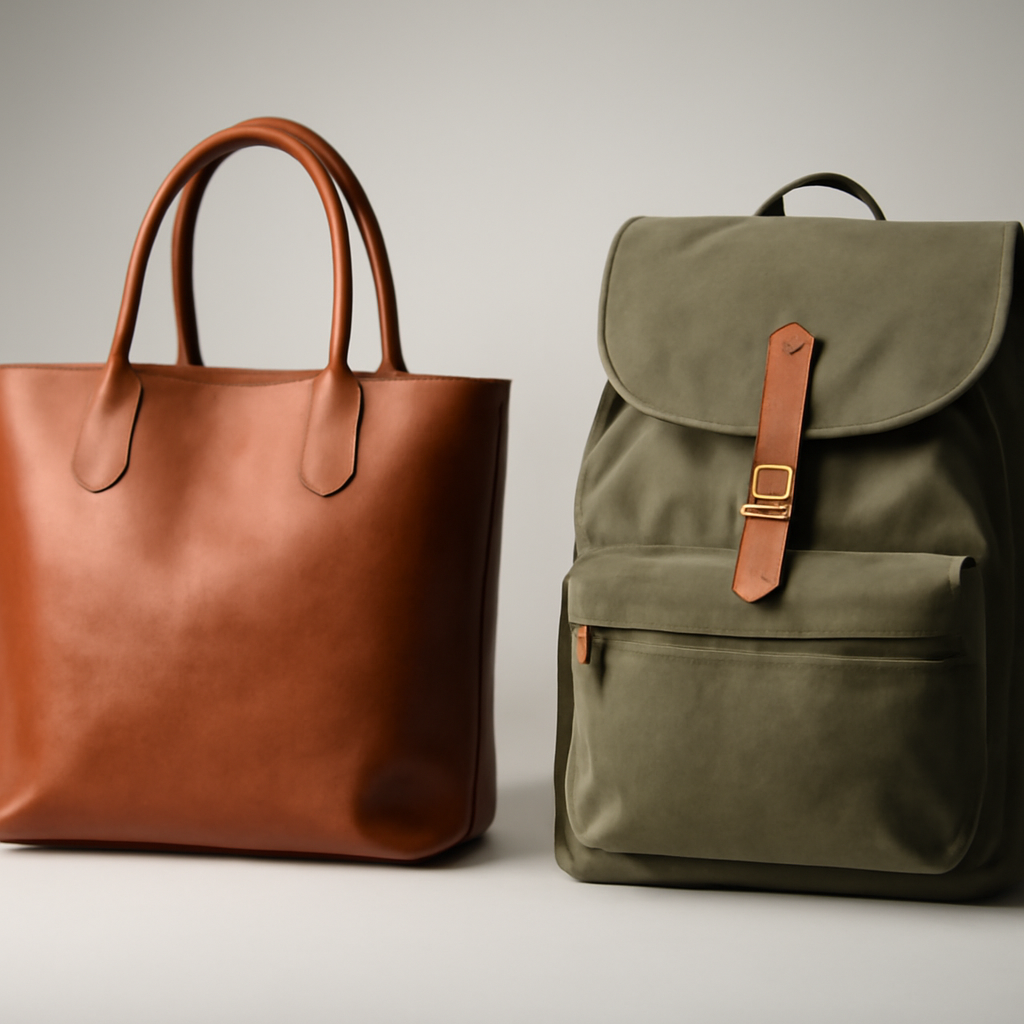
Why does this matter? Because a bag is more than just a container—it’s a daily companion, a style statement, and often a significant investment. Whether you’ve chosen a classic tote, a versatile backpack, or a sleek laptop bag, understanding how to maintain it can mean the difference between a bag that looks tired after a year and one that stays sharp for seasons to come. In this guide, you’ll discover the professional insights that separate lasting bags from those that disappoint, and you’ll learn how to avoid the most common pitfalls—often overlooked even by experienced buyers.
The difference becomes clear when you see two identical bags side by side: one still crisp and structured, the other faded and sagging. What changed? Not the quality, but the care. Let’s explore what most people miss—and how you can make smarter decisions for every bag you own.
Why Storage Habits Make or Break Your Bag’s Lifespan
Most bag owners focus on cleaning, but storage is where many problems begin. Leaving a bag slouched in a corner or packed tightly in a closet can distort its shape, weaken handles, and even cause creases that never fully disappear. The real challenge is that these effects build up slowly—often going unnoticed until the damage is done.
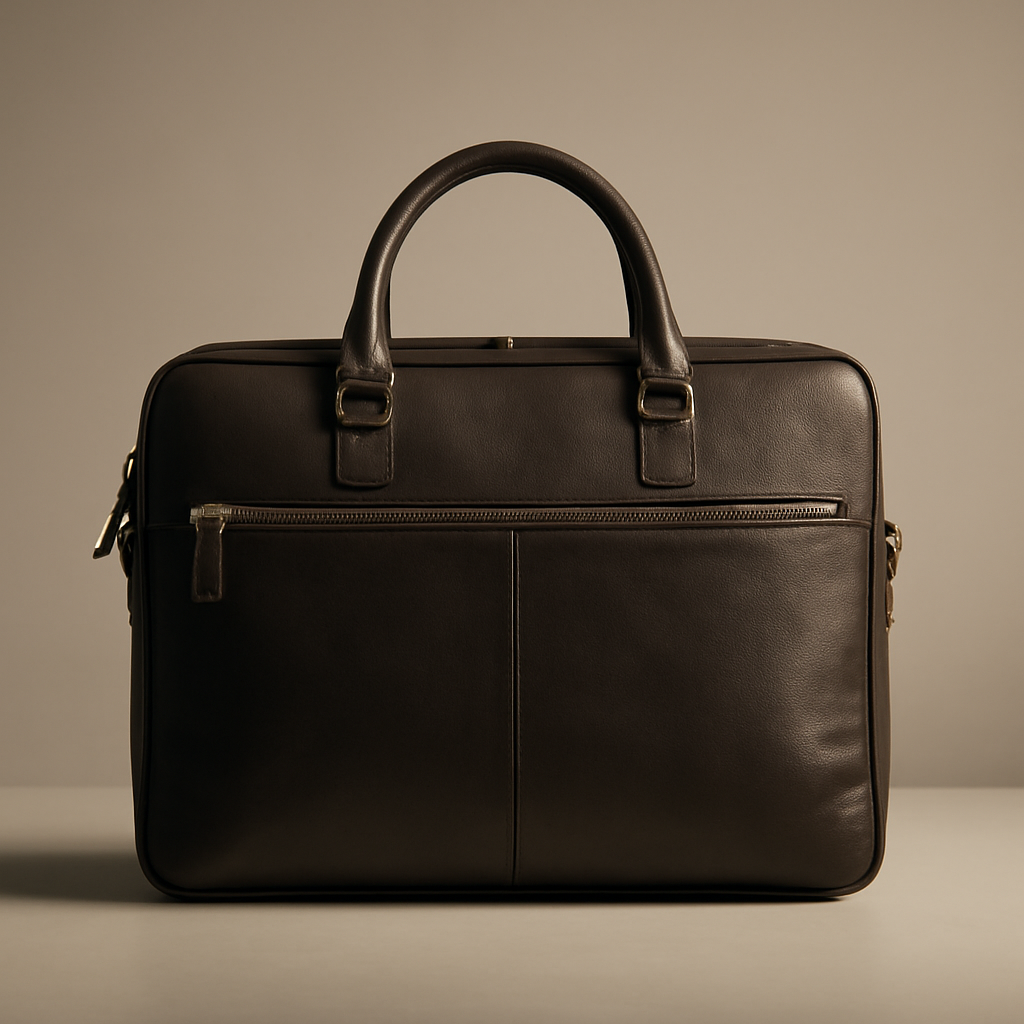
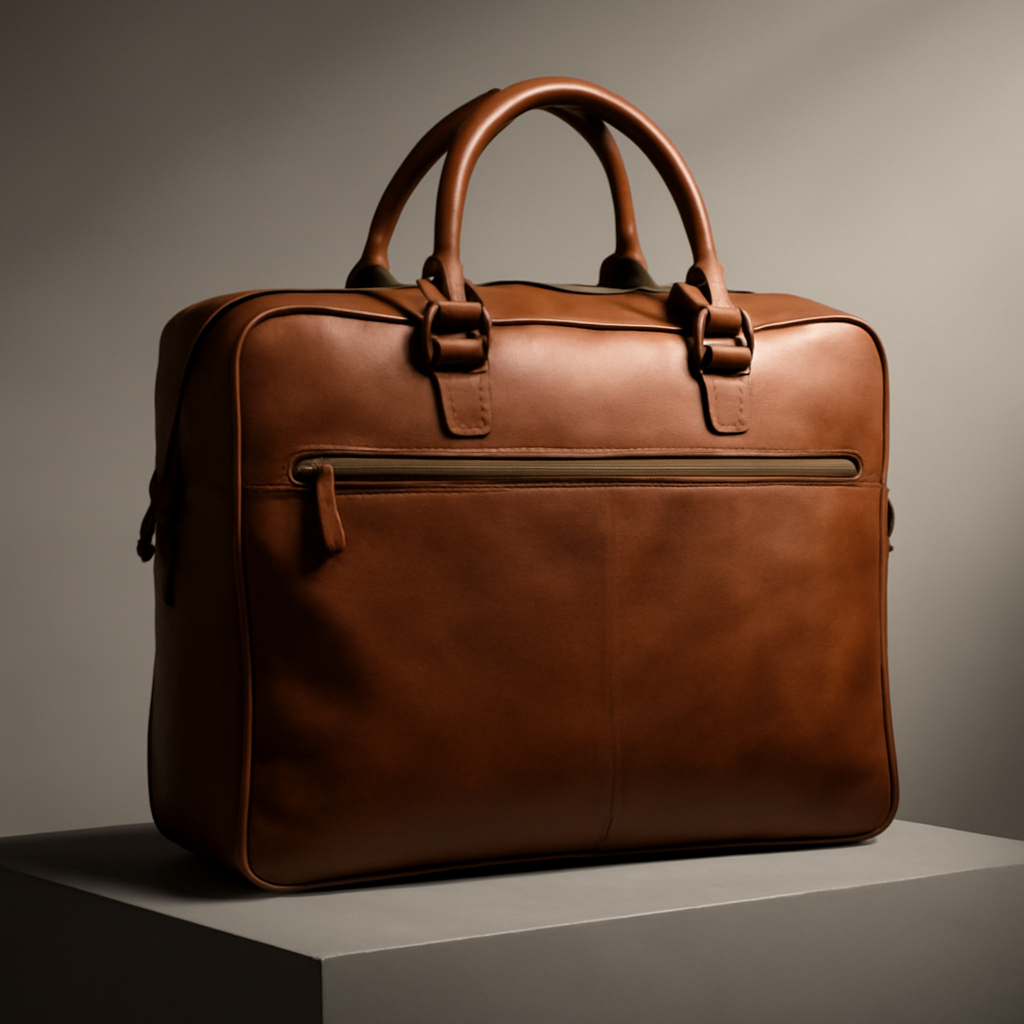
Professionals recommend storing bags upright, ideally filled with soft materials like tissue or clean fabric to help them retain their shape. Avoid using newspaper, as the ink can transfer to the lining. For structured bags, this is especially important: a well-stuffed bag resists sagging and keeps its silhouette. If you own a product with a defined shape—such as a structured laptop bag or a formal tote—this step is non-negotiable.
Another overlooked factor is exposure to sunlight and humidity. Direct sunlight can fade colours and dry out materials, while damp environments encourage mould and odours. The best practice is to store bags in a cool, dry place, away from windows and radiators. Many experienced buyers use breathable dust bags for added protection. If your purchase from LTSBAGSPVTLTD included a dust bag, use it consistently; if not, a clean cotton pillowcase is a practical alternative.
The takeaway: Storage isn’t just about convenience—it’s the foundation of long-term bag care. A few simple adjustments can prevent the most common regrets.
The Cleaning Mistake That Ruins More Bags Than Daily Use
It’s tempting to reach for household cleaners or scrub away at stains, but this is where many bags meet their downfall. The wrong cleaning method can strip colour, damage finishes, or even weaken the fabric. The real issue? Many cleaning products are designed for surfaces far tougher than the materials used in bags.
For fabric bags, gentle is always better. Use a soft brush or lint roller to remove surface dust. For deeper cleaning, a mild soap diluted in water and a soft cloth are usually safe—but always test on a hidden area first. Leather and faux leather require even more caution. Specialized cleaners are best, but if unavailable, a barely damp cloth can remove most surface marks. Never soak or submerge a bag, as this can warp the structure and cause hardware to rust.
Consider a practical example: Suppose you own a canvas backpack from LTSBAGSPVTLTD, available at a Final Selling Price that reflects both quality and value. If you spill coffee on it, blot—don’t rub—the stain, then gently clean with diluted soap. Rubbing aggressively or using harsh chemicals may set the stain permanently or cause the fabric to fade unevenly.
The difference becomes clear over time. Bags cleaned with care maintain their colour and texture, while those subjected to shortcuts often develop patchy spots or lose their finish. The best approach is always to follow manufacturer recommendations and err on the side of caution.
How Everyday Habits Quietly Shorten Your Bag’s Life
It’s not just storage and cleaning—daily habits play a bigger role than most people realize. Overloading a bag, carrying it by the straps when it’s too heavy, or letting sharp objects rattle inside can all accelerate wear. The consequences? Stretched handles, torn linings, and zippers that fail long before their time.
Professionals advise matching the bag to the task. For example, a lightweight tote is perfect for essentials, but not for carrying laptops or heavy books. If you regularly carry electronics, a purpose-built laptop bag with reinforced compartments—such as those offered by LTSBAGSPVTLTD at a Final Selling Price designed for everyday value—will distribute weight more evenly and protect both your device and the bag itself.
Another overlooked habit is ignoring minor issues. A loose thread, a sticking zipper, or a small tear can often be repaired easily if caught early. Left unattended, these problems tend to worsen, sometimes beyond repair. The best practice is to inspect your bag regularly and address small issues promptly—either with a simple DIY fix or by consulting a professional.
The takeaway: Everyday choices matter. Treat your bag as an investment, and it will reward you with years of reliable service.
Why Material Matters—And How to Adjust Your Care Routine
Not all bags are created equal, and the right care depends on the material. Leather, canvas, synthetic fabrics, and blends each have their own needs—and their own vulnerabilities. The mistake many people make is treating every bag the same, regardless of its construction.
Leather bags, for example, benefit from occasional conditioning to prevent drying and cracking. However, over-conditioning can leave a sticky residue or darken the leather. Canvas is more forgiving but can shrink or lose shape if washed too aggressively. Synthetic materials are often low-maintenance but can be sensitive to heat and certain chemicals.
If you’re considering a new purchase, compare the care requirements before deciding. For instance, a synthetic backpack from LTSBAGSPVTLTD may offer easier maintenance at a Final Selling Price that fits most budgets, while a premium leather tote may require more attention but reward you with a timeless look. The right choice depends on your lifestyle and willingness to invest in upkeep.
The key is to adjust your routine to the material. When in doubt, less is more—gentle cleaning, careful storage, and regular inspection go further than any single product or treatment.
What Changes When You Choose the Right Accessories
Accessories aren’t just about style—they can make a measurable difference in how long your bag lasts. Bag organizers, pouches, and protective inserts help distribute weight, prevent spills, and keep sharp items from damaging the lining. The mistake is thinking these extras are optional; in reality, they’re a form of insurance for your investment.
For example, if you use your bag for both work and travel, a removable organizer can keep electronics and documents separate from snacks or cosmetics. This not only protects the bag but also makes cleaning and switching between bags much easier. Some products from LTSBAGSPVTLTD are designed with built-in compartments, offering this benefit at no extra cost beyond the Final Selling Price.
The difference becomes clear over months of use. Bags with proper internal organization resist sagging and accidental spills, while those without often show premature wear. Investing in the right accessories is a small step that pays off in both convenience and longevity.
The Practical Takeaway: Small Habits, Lasting Results
The most common regrets in bag ownership come not from the bags themselves, but from overlooked details in care and use. By focusing on smart storage, gentle cleaning, mindful daily habits, material-specific routines, and the right accessories, you can dramatically extend the life of any bag—whether it’s a recent purchase from LTSBAGSPVTLTD or a trusted favourite.
The real difference isn’t in the price tag or the brand, but in the choices you make every day. With a few professional habits, your bag can remain a reliable companion for years, looking as good as the day you brought it home.
Tags